
High Blood Sugar: What It Means and What to Do Next
Persistently high blood sugar can signal prediabetes or diabetes. Learn the symptoms, causes, and next steps to bring levels into a healthy range.
Alaa Hammond, MSN, APRN, FNP-C, MSN, APRN, FNP-C
August 12, 2026
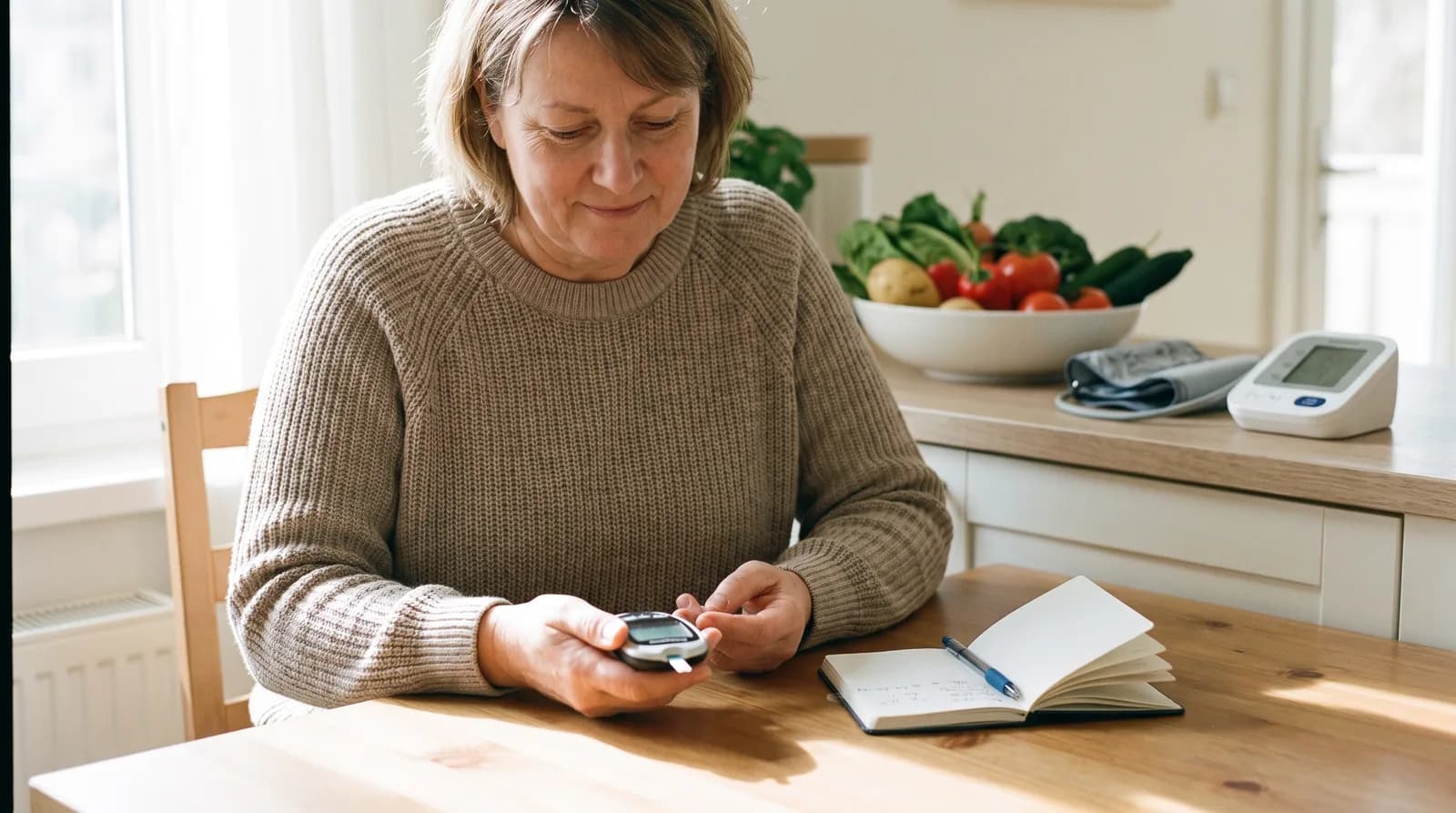
High blood sugar does not always feel like an emergency. Sometimes it just feels like being extra thirsty or tired for no clear reason. But when blood sugar stays elevated week after week, your body is sending a signal. And it is worth listening to. This guide covers the symptoms, common causes, and practical next steps, with support from Lyva's primary and chronic care services in Avondale Estates, Georgia.
Left unchecked, ongoing elevated blood sugar raises your risk for nerve damage, heart disease, and vision problems. The good news is that it is very manageable once you understand what is going on and what to do next.
Not sure what your numbers mean?
A simple blood test can tell you where you stand. Lyva offers same-day visits and telehealth across Georgia.
Book Appointment →What Are the Symptoms of High Blood Sugar?
The most common symptoms of elevated blood sugar are frequent urination, unusual thirst, and fatigue. These happen because extra sugar pulls water out of your tissues and into your urine, leaving you dehydrated and drained. Some people also notice blurry vision or dry skin.

Symptoms often build slowly, which is part of the problem. You adjust without realizing anything is wrong. Your body gets used to feeling a little off. According to the CDC, many early signs are easy to miss or blame on stress and poor sleep. That delay is exactly why routine bloodwork matters, even when you feel mostly fine.
- Needing to urinate more often, especially at night
- Feeling thirsty even after drinking water
- Blurry vision or tired eyes
- Slow-healing cuts or scrapes
- Feeling unusually tired during the day
- Headaches that come and go without a clear cause
More than 1 in 10 Americans, about 40 million people, live with diabetes, and roughly 1 in 4 of them do not know it yet, per the CDC. Symptoms like these are often the first real clue that glucose levels have crept up.
What Causes Blood Sugar to Stay High?
Blood sugar stays elevated when your body cannot move glucose out of the bloodstream fast enough. This usually points to insulin resistance, or less often, an insulin shortage. Type 2 diabetes is the most frequent cause, but it is not the only one.
Type 2 diabetes accounts for 90-95% of all diagnosed diabetes cases, according to the CDC. Prediabetes, certain medications, illness, and even poor sleep can also push glucose up. Stress hormones play a role too. When you are anxious or sick, your liver releases extra glucose into the bloodstream, even if you have not eaten anything.
Carrying extra weight, especially around the belly, makes insulin resistance more likely. A sedentary routine adds to that risk. None of this means you did something wrong. It usually just means your body needs a little extra support catching up, and that support can come from small, steady changes.
What Blood Sugar Level Counts as High?
A fasting blood sugar above 100 mg/dL is considered above normal, and above 126 mg/dL usually signals diabetes. Anything in between often points to prediabetes. Your provider confirms this with a lab test, not a single home reading alone.
More than 1 in 3 U.S. adults have prediabetes, and the CDC notes that most do not know it. A single high reading is not a diagnosis by itself, since glucose naturally shifts throughout the day. Labs typically repeat testing, or use a hemoglobin A1c test, which reflects your average blood sugar over about three months rather than a single moment.
- Normal fasting glucose: under 100 mg/dL
- Prediabetes range: 100 to 125 mg/dL
- Diabetes range: 126 mg/dL or higher, confirmed on two separate tests
Mayo Clinic notes that tracking these numbers over time tells a more useful story than any single reading, good or bad. A home glucose meter can help you spot patterns between visits, but lab results remain the most reliable way to confirm a diagnosis.
When Does Elevated Blood Sugar Become a Medical Emergency?
Blood sugar becomes a medical emergency when it is paired with vomiting, confusion, rapid breathing, or a fruity smell on the breath. These signs can point to diabetic ketoacidosis, a serious condition that needs care right away. Do not wait it out at home.
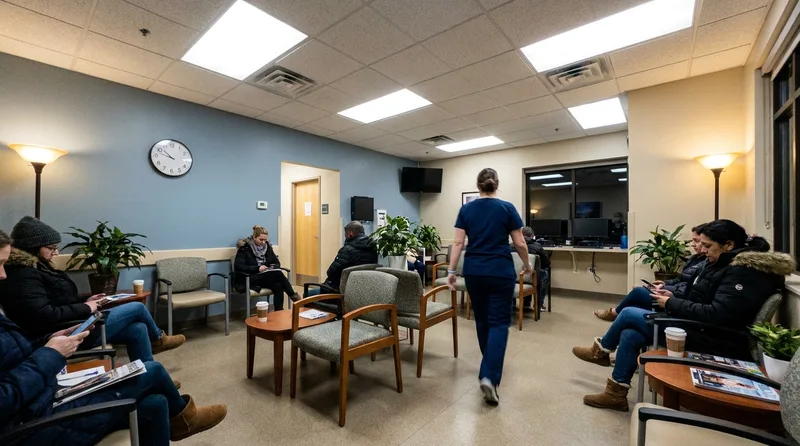
Ketoacidosis develops when the body starts breaking down fat for fuel because it cannot use glucose properly. It is more common in type 1 diabetes but can also happen with type 2, especially during illness or infection.
- Nausea or repeated vomiting
- Confusion or trouble staying alert
- Rapid or labored breathing
- A fruity or sweet smell on the breath
- Severe stomach pain
If you notice these signs, call 911 or go to an emergency room right away. This is a situation for urgent care, not a routine follow-up appointment. Waiting to see if symptoms pass on their own can allow the condition to worsen quickly, sometimes within hours.
What Steps Help Lower Elevated Blood Sugar?
The most effective steps are consistent meals, regular movement, and following your provider's medication plan closely. Small, steady changes tend to work better than dramatic overhauls that are hard to sustain. Most people notice real improvement within a few weeks.
Losing just 5-10% of body weight can improve blood sugar, blood pressure, and cholesterol, according to the National Institutes of Health. For someone who weighs 200 pounds, that is roughly 10 to 20 pounds, often a realistic target rather than a total lifestyle overhaul.
- Check your blood sugar as your provider recommends, and track patterns over time rather than single readings
- Space meals evenly and pair carbohydrates with protein or fiber to slow absorption
- Aim for about 150 minutes of movement weekly, even if it is broken into short walks
- Take medications exactly as prescribed, and talk to your provider before stopping or adjusting anything
- Prioritize sleep and find realistic ways to manage everyday stress
For a deeper look at daily strategies, see our guide on managing diabetes through lifestyle changes.
Get a Clear Picture of Your Numbers
Lyva's chronic care program builds a plan around your labs, your routine, and your goals.
Explore Chronic Care →How Can Primary Care Help With Elevated Blood Sugar?
Primary care helps by finding the cause of your elevated glucose and building an ongoing plan, not just reacting to a single number. Your provider can order labs, review medications, and adjust the plan as your numbers change over time.

Having a regular source of primary care is linked to better health outcomes and more preventive screening, according to the Agency for Healthcare Research and Quality. That relationship matters even more with a condition that shifts with stress, illness, and everyday life changes.
At Lyva, ongoing A1C monitoring is part of continuing care, not a one-time event. Same-day visits and telehealth make it easier to stay on track, whether you live in Avondale Estates or elsewhere in Georgia.
If you are dealing with high blood sugar, the next right step is simple. Get it checked by a provider who looks at the full picture, not just one reading. A pattern tells a far more useful story than a single number ever could, and it is the fastest path to a plan that actually fits your life.
This article is for general educational purposes only and is not a substitute for professional medical advice, diagnosis, or treatment. Always consult your provider at Lyva with any questions about a medical condition or treatment.
Ready to Understand Your Blood Sugar?
Book a visit with Lyva Primary Care & Wellness Center for a clear plan built around your numbers.
Book Appointment →Prefer to talk it through first?
Call (404) 905-6666 →Alaa Hammond, MSN, APRN, FNP-C
MSN, APRN, FNP-C · Lyva Primary Care & Wellness Center
Avondale Estates, GA family nurse practitioner providing whole-person primary and preventive care — including chronic disease management, men's health, and medical weight loss — in person and via telehealth across Georgia.
Frequently Asked Questions
Was this article helpful?
You may also like
Men's Hair Loss Treatment: Causes, Options, and What Helps
Explore men's hair loss treatment options, from causes to a provider evaluation, at Lyva Wellness in Avondale Estates, Georgia.
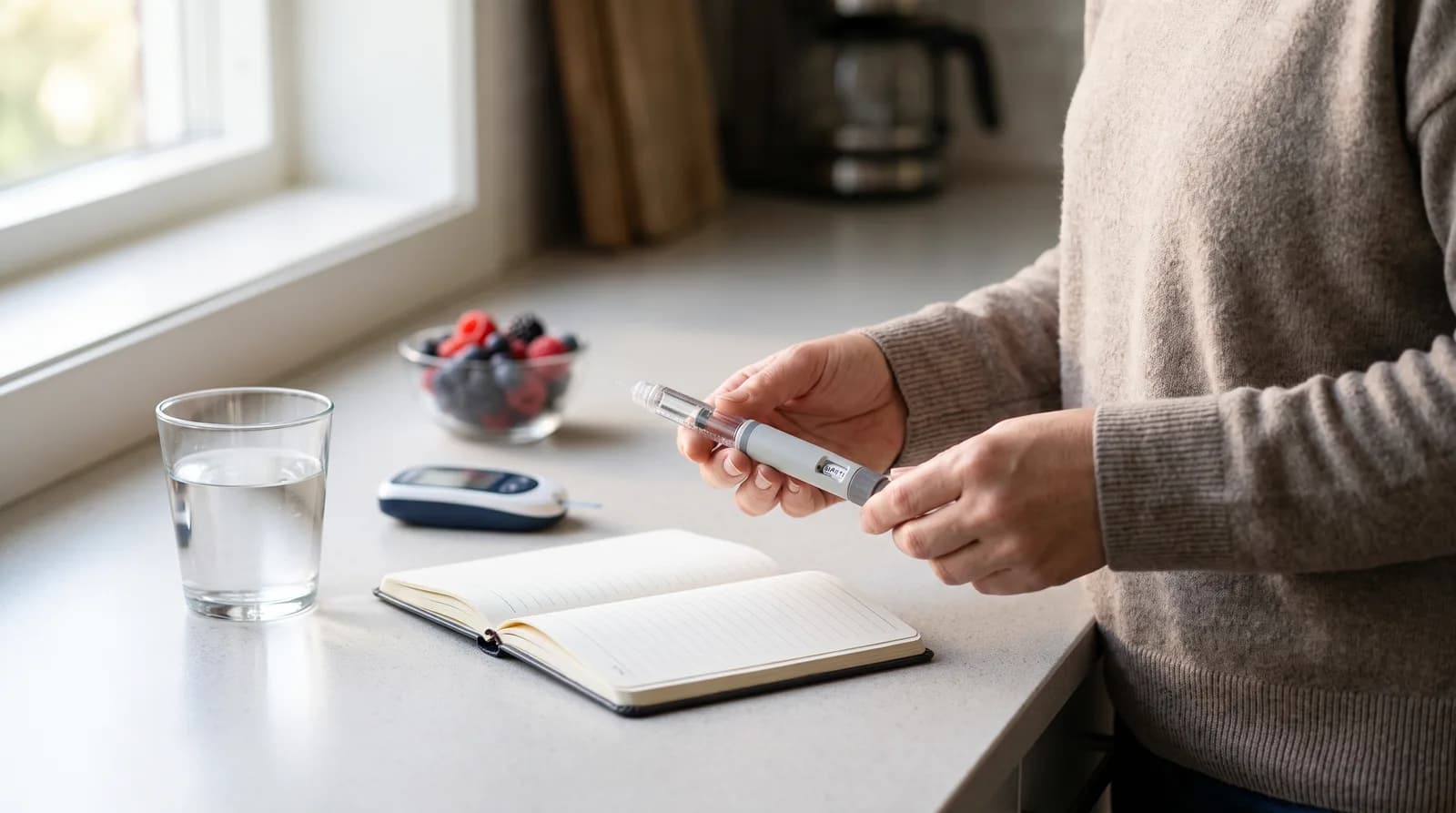
GLP-1 Medications for Type 2 Diabetes: What to Know
GLP-1 medications for type 2 diabetes lower blood sugar and A1C, and often support weight loss too. Learn how they work and who qualifies at Lyva.

High Cholesterol Explained: When Lifestyle Isn't Enough
High cholesterol often causes no symptoms. Learn what your numbers mean, how long to try lifestyle changes, and when medication may help.
Ready to Start Your Health Journey?
Schedule your appointment today and take the first step toward better health. New patients welcome. Most insurance accepted.

Primary Care • Men's Health • Weight Loss Clinic
Phone
+1 (404) 905-6666
Location
Avondale Estates, GA
Hours
Mon-Fri: 8AM - 6PM